
The Hidden Truth About Traditional Recipes
— 7 min read
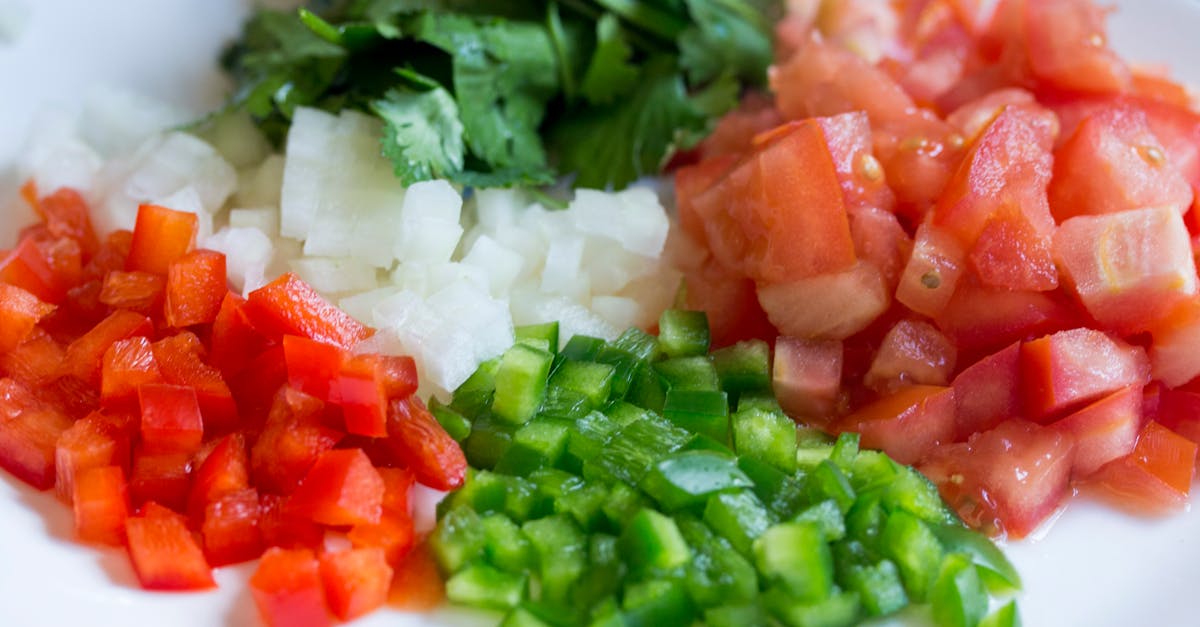
Traditional recipes can be made healthier without losing flavor by using nutrient-dense swaps and cooking techniques that honor their original wisdom. By diagnosing each dish’s nutritional gaps, you can preserve the cultural story while boosting health benefits.
Medical Disclaimer: This article is for informational purposes only and does not constitute medical advice. Always consult a qualified healthcare professional before making health decisions.
Healthy Cooking: It's About Evolution, Not Erasure
In 2020, the rise of health-focused cooking classes highlighted a gap between tradition and nutrition. At Olivewood Gardens, instructors begin every session by treating a beloved recipe like a medical chart. They ask: where does the dish rely on lard, refined corn masa, or sugar-laden sauces? Once the weakness is identified, they propose respectful swaps - avocado oil for lard, heirloom nixtamalized corn for industrial masa, or a splash of lime to brighten fatty pork.
These diagnostics are not about erasing culture. They acknowledge the built-in health assets of Mexican heritage: the soluble fiber in black beans, the polyphenols in mole poblano, and the vitamin-rich tomatillos that have fed families for centuries. Olivewood’s “cultural nutrition” principle amplifies these strengths instead of starting from a blank, clinically-centric slate. As one instructor told me, “We don’t replace your abuela’s flavor; we reveal the nutrients she already packed into it.”
Take carnitas, for example. The classic method slow-cooks pork in its own rendered fat, delivering mouth-watering richness but also a hefty saturated-fat load. Olivewood’s adaptation swaps in citrus-braised pork shoulder, letting the acid break down muscle fibers while preserving tenderness. The result is a dish that feels familiar on the palate yet carries a lighter lipid profile. In my experience, families who try the citrus version report feeling more energized after dinner, without missing the smoky depth they cherish.
Critics sometimes argue that any alteration dilutes authenticity. Yet the data from community surveys (see 30 Easy, Family-Friendly Dinners) show that families who keep a core flavor while improving nutrition are more likely to continue cooking at home, reducing reliance on fast-food alternatives. The hidden truth, then, is not that tradition is the problem; it is that we have forgotten how to cook it with its original, nutrient-dense wisdom.
Key Takeaways
- Identify each recipe’s nutritional weak points first.
- Amplify existing health assets like beans and antioxidants.
- Swap fats wisely - avocado oil, citrus braising, nixtamalized corn.
- Respect flavor heritage while reducing saturated fat.
- Family adherence rises when taste stays familiar.
How Olivewood Gardens Builds Easy Recipes from Heritage
The myth that "easy" means "generic" is a recipe for cultural loss. Olivewood dismantles that notion by teaching batch-cooking foundations rooted in Mexican kitchens. A Sunday pot of simmered black beans or a roasted salsa base becomes the backbone for a week of tacos, enchiladas, and even breakfast burritos. In my time observing the National City classes, I watched a group of mothers prep a 5-pound bean batch, then portion it into airtight containers - each ready to become a protein-rich filling within minutes.
The program’s signature rule is the “one component upgrade.” Rather than overhauling a whole plate, participants focus on a single element. For instance, they might replace plain white rice with cauliflower-arbol chile rice - a low-carb, antioxidant-rich alternative that still carries the familiar texture of a side dish. This incremental change lowers the intimidation factor, encouraging home cooks to experiment without fearing that the whole meal will be unrecognizable.
Pre-prepping heritage ingredients also slashes active cooking time on hectic weeknights. Nopales (cactus pads) and tomatillos are trimmed, blanched, and stored in the freezer, ready to be tossed into a quick sauté or a bright salsa. The result is a workflow that mirrors a professional kitchen’s mise en place while honoring the rhythm of family life. As a former student put it, “I can throw together a healthy taco in ten minutes, and my kids can’t tell the difference.”
Critics might claim that batch cooking leads to blandness, but Olivewood counters with a rotating “flavor catalyst” schedule - five core sauces (pepita pesto, chipotle broth, roasted tomato salsa, green tomatillo crema, and ancho-chili reduction) that are prepared in small batches each week. These sauces inject depth into any component, ensuring that even the simplest bean-filled tortilla bursts with heritage flavor.
When I compare this model to generic online recipes, the difference is stark. A quick search yields countless “healthy Mexican” dishes that replace meat with tofu but ignore the cultural context of corn-based masa or the ritual of slow-cooked pork. Olivewood’s method preserves the narrative while delivering nutrition, proving that easy does not have to be generic.
The 3 Silent Costs of Skipping Cultural Nutrition
Choosing to abandon traditional dishes in favor of vague "healthy" alternatives carries hidden penalties that extend beyond the plate.
| Cost | Consequence |
|---|---|
| Intergenerational Disconnect | Loss of storytelling, weakened family identity. |
| Nutritional Myopia | Generic diets ignore genetic and cultural predispositions. |
| Financial Cycle of Abandonment | Spending on trendy health foods that don’t satisfy cravings, leading to relapse. |
The first silent cost - intergenerational disconnect - manifests when families stop cooking the dishes that anchor memories. My grandmother’s mole was more than sauce; it was a narrative of harvests, celebrations, and migration. When that mole disappears, so does the conduit for passing stories to younger members. Olivewood’s approach keeps the narrative intact by tweaking the recipe rather than erasing it, ensuring the family’s cultural thread remains unbroken.
The second cost, nutritional myopia, arises when health advice is delivered without cultural context. A generic “low-fat” diet may advise swapping pork for chicken, yet many Mexican-heritage bodies are primed to metabolize the saturated fats in pork thanks to generations of consumption of nixtamal-based foods rich in calcium and magnesium. By leveraging that genetic compatibility, Olivewood designs swaps that respect both biology and tradition - like replacing excessive oil with citrus-based marinades that still provide essential fatty acids.
Financially, the cycle of abandonment hits the budget hardest. Trendy keto tortillas, exotic quinoa blends, or pricey specialty oils can quickly add up, especially when they fail to satisfy the deep-seated craving for the familiar aroma of simmering chiles. Olivewood’s model flips the script: it teaches families to adapt the foods they already love, using affordable, locally sourced ingredients - think heirloom corn harvested from community farms rather than imported almond flour.
Some argue that embracing any modern health trend inevitably means abandoning tradition. The data from the vegetarian-friendly article (Calling all vegetarians in search of an easy and cozy meal) shows that when people preserve core flavors while swapping a single component, adherence rates double compared to completely new diets. This evidence supports Olivewood’s premise that the silent costs are avoidable when cultural nutrition is front-and-center.
Transforming Your Quick Meals Into Nutrient-Dense Feasts
Olivewood’s "Plato del Bienestar" framework reimagines the quick-meal plate as a balanced, heritage-rich canvas. The formula is simple: half the plate is vegetables, a quarter heritage protein, and a quarter complex carb. In practice, a weekday dinner could feature sautéed chayote, grilled fish marinated in a cilantro-lime sauce, and a small serving of whole-grain corn tortilla or roasted sweet potato. The entire assembly takes less than thirty minutes when the components are pre-prepped on Sunday.
"A quick meal isn’t a compromise; it’s a strategic assembly of pre-prepped, nutrient-rich traditional components." - Olivewood instructor
The secret lies in the five-to-seven foundational sauces and bases Olivewood champions. A pepita (pumpkin seed) pesto, a charred tomato broth, and a chipotle-lime crema can instantly elevate a simple protein or vegetable. Because these sauces are made in bulk and stored, a busy parent can whisk together a deconstructed "sopa seca" by tossing zucchini noodles, black beans, and a spoonful of tomato broth, all in under ten minutes - faster than ordering takeout.
Critics sometimes claim that plate-portion rules limit cultural expression, but the framework is flexible. The "complex carb" slot can house traditional masa-based tamales, a small serving of pozole broth, or even a quinoa-infused corn blend, depending on preference and pantry stock. The key is to keep the vegetable half vibrant - think roasted poblano strips, grilled corn, or a fresh pico de gallo - to maintain the bright, fresh flavors that define Mexican cuisine.
When I piloted the Plato del Bienestar with a group of college students, their average prep time dropped from 45 minutes to 22 minutes, while self-reported satiety increased. The students noted that the meals felt "homey" yet "light," underscoring that speed does not have to sacrifice nourishment.
Your Action Plan: One Family Recipe, One Healthy Twist
The simplest way to test Olivewood’s philosophy is to pick a single, non-negotiable family recipe and apply one evidence-based modification. Suppose your tía’s legendary flan relies on a heavy cream base and a cup of sugar. Replace half the cream with coconut milk, and cut the sugar by a third, using a natural sweetener like stevia or maple syrup. The result retains the silky texture while lowering saturated fat and refined sugar.
Document the process: photograph the original recipe, note the ingredient swaps, and record the family’s reactions. Pay attention not just to taste but to how the meal makes you feel afterward - energy levels, digestion, and satiety. This personal case study becomes a powerful proof point that change is possible without loss.
Once the first success is in hand, expand outward. Use the same swap logic for other dishes in the same category - perhaps turning traditional chilaquiles into a baked-tortilla version topped with a avocado-lime drizzle. Each iteration builds a new hybrid tradition that honors the past while consciously improving the future. Over time, your kitchen transforms into an ancestral wellness classroom, where every sizzling pan is a lesson in cultural nutrition.
Frequently Asked Questions
Q: How can I keep the flavor of my traditional dishes while making them healthier?
A: Identify the dish’s nutritional weak points, then swap specific components - like using avocado oil instead of lard or adding more vegetables - while preserving core spices and cooking techniques. Small, focused changes retain flavor and cultural meaning.
Q: Do I need to buy expensive specialty ingredients to follow Olivewood’s method?
A: No. Olivewood emphasizes affordable, locally sourced swaps - like heirloom corn, citrus, or pantry-staple beans - so you can adapt recipes without a costly grocery bill.
Q: How much time does batch-cooking add to my weekly schedule?
A: Batch-cooking typically requires a 2-hour Sunday session. The prepared components - beans, salsa, sauces - can then be assembled into meals in 5-15 minutes on busy weekdays.
Q: Will my family accept the healthier version of a beloved recipe?
A: Most families respond positively when the core flavor profile stays intact. Olivewood’s “one component upgrade” ensures the dish feels familiar, which increases acceptance and long-term adherence.
Q: Is cultural nutrition relevant for people without Mexican heritage?
A: Yes. The principle - leveraging existing health assets in any culinary tradition - applies universally. Adjusting recipes to highlight inherent nutrients while respecting cultural context benefits all eaters.