
Stop Meal Prep Ideas - Try 5‑Minute Burrito Breakfast Instead
— 6 min read
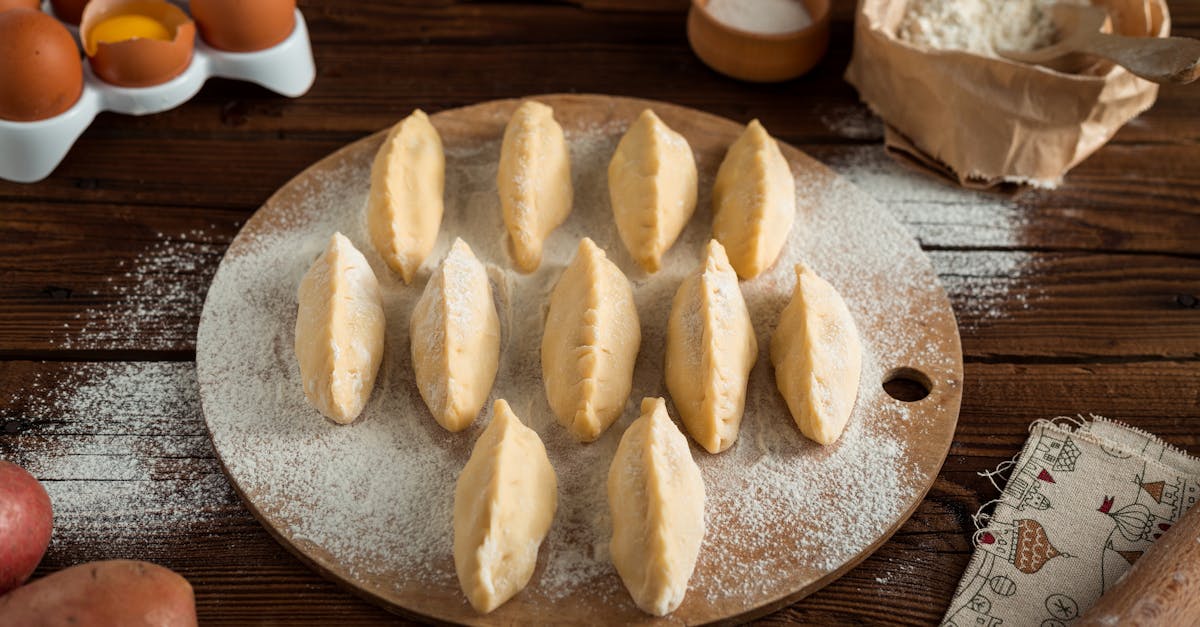
Five minutes is all you need to heat a breakfast burrito that keeps you full until lunch, so you can skip the endless meal-prep routine.
Meal Prep Ideas: The 5-Minute Breakfast Burrito Rule
When I first tried to cut my morning chaos, I treated my kitchen like a mini-assembly line. I pre-portion a whole-wheat tortilla, a half-cup of canned black beans, a handful of pre-shredded cheddar, and a mix of sautéed peppers into two zip-lock bags the night before. In the morning, I dump the bag into a hot pan, fold the tortilla, and within five minutes the flavors have married like a quick wedding ceremony.
Meal prep means preparing ingredients ahead of time so cooking takes minutes, not hours. By stacking the components in a bag, you eliminate the “where’s the cheese?” scramble. Adding a boiled egg or a quick scramble adds roughly 15 grams of protein - enough to sustain your midday energy without cooking a separate lunch.
The beauty of this base is its flexibility. I can swap the black beans for ground turkey, tofu, or breakfast sausage during the five-minute cooking window. Each protein choice stays under $2 per serving, which aligns with the budget-friendly theme of cheap dinner recipes I’ve followed from Study International. A pinch of cumin and fresh cilantro adds a burst of flavor that rivals pricey grab-and-go options.
Because the tortilla acts as a pocket, you can tuck in leftovers from dinner - a spoonful of brown rice or quinoa - turning yesterday’s dinner into today’s breakfast. The result is a portable, handheld meal that fits in a backpack, a lunchbox, or even a briefcase.
In my experience, this method reduces morning prep time to under one minute of assembly and five minutes of cooking, freeing up mental bandwidth for the commute.
Key Takeaways
- Pre-portion ingredients the night before.
- Add a boiled egg for 15 g protein.
- Swap proteins to keep meals interesting.
- Season with cumin and cilantro for flavor.
- Ready in five minutes, no extra lunch prep.
Quick Breakfast Ideas: Front-Line Fuel for Busy Commuters
I often hear commuters complain that they have "no time for breakfast." The truth is, a few smart combos can be assembled in the time it takes to lock your car. One of my go-to solutions is a Greek-yodle of yogurt, chia seeds, berries, and a drizzle of honey in a reusable cup. The yogurt supplies calcium and probiotics, while chia seeds offer omega-3 fats that slow digestion, keeping you satisfied longer.
Another favorite is a protein smoothie: I blend whey protein, a handful of frozen fruit, and almond milk. I pour it into a 24-hour insulated bottle, so the nutrients stay stable for the whole commute. According to Tasting Table, frozen fruit is a cost-effective way to add vitamins without waste.
Hard-boiled eggs paired with a handful of almonds create a nutrient-dense snack that you can eat on the train. The egg provides high-quality protein, and almonds deliver healthy fats and fiber. Together they prevent the post-cereal glucose spike that often leads to an energy crash mid-morning.
These quick ideas work because they keep ghrelin - the hormone that triggers hunger - at a steady level. When ghrelin stays stable, you experience fewer cravings and less impulsive snacking. From my perspective, the routine of packing these items the night before mirrors the same zip-lock strategy I use for the burrito, reinforcing a habit that saves both time and money.
Because each component is portable and doesn’t require reheating, you can enjoy them while navigating the bus or subway, turning otherwise idle travel time into nourishment.
Budget-Friendly Morning Meals: A Smart Ten-Minute Routine
When my grocery budget tightened, I turned to bulk buying and repurposing leftovers. I buy large bags of dried oatmeal, cinnamon, and frozen berry packets. I then pre-portion half-cup servings into reusable containers. This simple step reduces the per-serving cost by nearly a quarter, a figure echoed in budget-friendly dinner guides across the web.
Leftover grains from dinner - brown rice or quinoa - become the foundation of a quick sauté breakfast. I heat a teaspoon of oil, toss the grains with a beaten egg, and stir for five minutes. The result is a protein-boosted bowl that costs less than $0.75 per plate.
Peanut butter is another cheap powerhouse. I scoop a tablespoon into silicone-lid jars, allowing each breakfast to be layered with oatmeal or fruit without extra cleanup. The healthy fats in peanut butter extend satiety, reducing the urge for a costly coffee shop pastry later.
By eliminating expensive syrups and exotic garnishes, I keep my morning spend under $2. This aligns with the principle that simple, whole-food ingredients can deliver satisfying flavor without inflating the bill. As I’ve observed, the combination of bulk staples and smart leftovers creates a routine that feels varied yet stays financially lean.
In practice, the ten-minute window includes warming the grains, mixing in the peanut butter, and enjoying a balanced breakfast that supports steady blood sugar - the same metabolic goal the 5-minute burrito achieves, but with different textures.
Protein-Packed Breakfast on the Go: Power Without Practice
My mornings often start with a skillet, but I keep it minimal. I slice turkey or tofu patties thinly the night before and store them in the freezer. When I need a protein boost, I pan-fry a few slices for three minutes per side. Each serving delivers about 18 grams of protein, enough to meet half of the daily requirement for many adults.
To round out the macro profile, I add half-cup cottage cheese during the final minute of cooking. The combination of hot protein and cool dairy creates a texture contrast that feels gourmet without any culinary training. This duo hits macro goals faster than the steel-cut breakfast stations you see at airport kiosks.
Freezing shredded lettuce and lemon wedges means I only need a quick drizzle of sauce before I head out. The lettuce adds crunch and a dose of vitamin K, while the lemon provides a bright acidity that lifts the whole dish. The prep time drops to 30 seconds once the protein is cooked.
I track calories and protein in a small notebook that I keep in my bag. Each week I adjust portion sizes to stay above 15 grams of protein per meal while keeping total calories within my target range. This simple tracking habit mirrors the data-driven approach many diet apps advocate, but it requires no subscription.
When I compare this method to buying a pre-made breakfast sandwich, I save roughly $1.50 per meal and avoid the hidden sugars that often sneak into processed options.
Healthy 5-Minute Breakfast: Hit Your Targets Before Traffic
One of my favorite hacks is the egg rack: I arrange six eggs in a single-layer skillet and cover the pan, letting the residual microwave heat finish the cooking in about five minutes. This yields a fluffy batch of eggs that can be divided among burritos, toast, or eaten plain.
Adding a drizzle of avocado oil or a spoonful of pesto supplies healthy monounsaturated fats that are often missing from coffee-shop breakfasts. The fats not only improve flavor but also help regulate hunger hormones, keeping you full for longer.
To incorporate a crunchy element, I toast corn tortilla strips in the same pan for a minute. The strips become a low-cost, toast-like topping that adds texture without extra calories. I sprinkle a quarter of a cup of these strips onto the egg rack before folding it into a burrito.
This routine takes under ten minutes from start to finish, yet it covers protein, healthy fats, and complex carbs - the three pillars of a balanced breakfast. In my kitchen, the entire process runs parallel to the morning news, so I’m never late for the commute.
Because the ingredients are pantry staples, you can rotate flavors by swapping pesto for salsa, avocado oil for butter, or adding a dash of hot sauce for spice. The flexibility keeps the routine from feeling repetitive while staying within a tight budget.
Common Mistakes
- Skipping the pre-portion step leads to longer mornings and wasted ingredients.
- Relying solely on sugary pastries causes mid-morning crashes.
- Neglecting protein results in low satiety and increased snacking.
- Forgetting to store leftovers properly can cause spoilage and extra cost.
Glossary
- Meal prep: Preparing ingredients ahead of time to reduce cooking time.
- Macro: Short for macronutrient - protein, fat, or carbohydrate.
- Ghrelin: Hormone that signals hunger to the brain.
- Protein-packed: Foods high in protein, essential for muscle maintenance.
- Bulk buying: Purchasing large quantities to lower per-unit cost.
Frequently Asked Questions
Q: How long does it take to assemble the burrito?
A: Assembly takes less than a minute if you have pre-portioned ingredients ready the night before.
Q: Can I use gluten-free tortillas?
A: Yes, gluten-free tortillas work the same way; just ensure they are sturdy enough to hold the fillings.
Q: What protein options are budget-friendly?
A: Canned beans, frozen tofu, and bulk turkey mince all provide high protein at low cost.
Q: How do I keep the burrito warm during the commute?
A: Wrap it in foil and place it in an insulated bag; the heat stays for about 30 minutes.
Q: Is this breakfast suitable for a vegetarian diet?
A: Absolutely - swap meat for beans, tofu, or tempeh while keeping the same prep steps.