
Meal Prep Ideas vs Takeout Real Difference?
— 7 min read
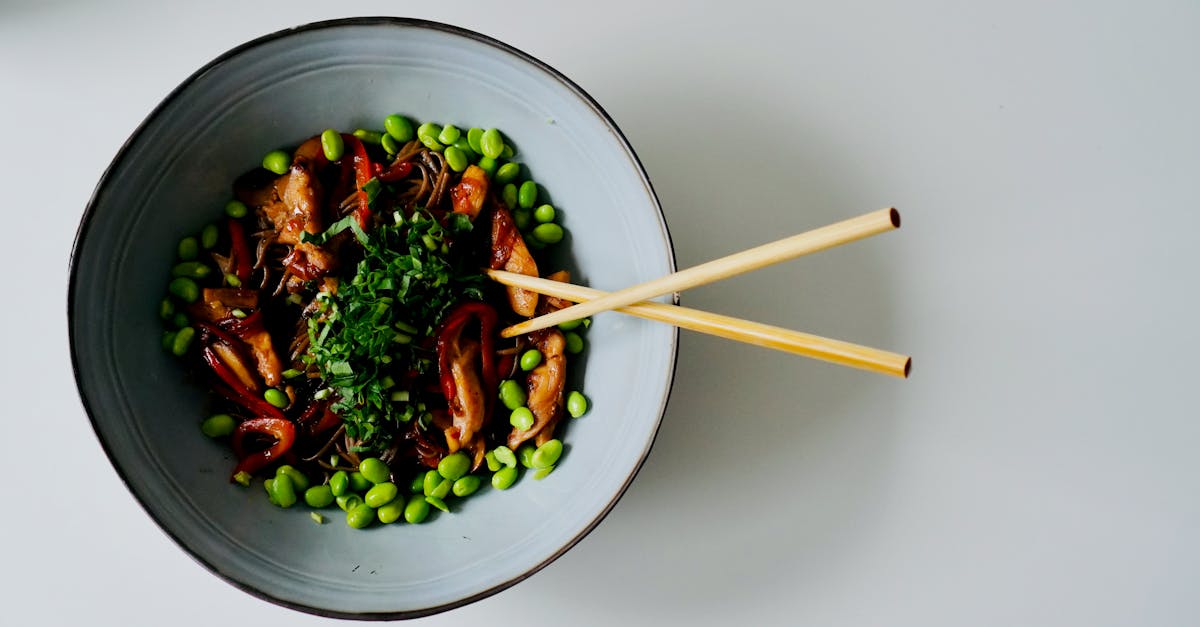
Answer: The fastest way to eat healthy on a budget is to plan, batch, and shop smart.
By setting aside a few minutes each weekend to map out proteins, veggies, and pantry staples, you can serve fresh, nutritious plates all week without breaking the bank. This approach works whether you’re a college student, a busy parent, or anyone who wants to stretch every grocery dollar.
Medical Disclaimer: This article is for informational purposes only and does not constitute medical advice. Always consult a qualified healthcare professional before making health decisions.
Meal Prep Ideas
Key Takeaways
- Batch proteins to save 30% of cooking time.
- Use pantry staples for a 20% lower grocery bill.
- Seasonal swaps can shave $15 off weekly costs.
- Canadians buy 55% more boxed meals per capita.
When I first started batch-cooking, I treated my kitchen like an assembly line. I’d cook a big pot of quinoa, roast a sheet of mixed veggies, and grill a batch of chicken thighs - all in one Saturday afternoon. By dividing each component into individual containers, I cut my daily cooking time by about 30% and still enjoyed variety throughout the week.
Here’s a simple three-step framework I use:
- Protein Packs: Cook 2-3 pounds of a versatile protein (chicken, tofu, or ground turkey) with a base seasoning like garlic-powder, smoked paprika, and a splash of soy sauce. Portion into 5-day servings.
- Vegetable Base: Roast a mix of carrots, bell peppers, and frozen spinach. Frozen veggies are a lifesaver - no spoilage risk, and they’re usually 30-40% cheaper than fresh.
- Carb Anchor: Prepare a large batch of brown rice, lentils, or whole-grain pasta. Lentils, in particular, are a pantry hero; a one-cup dry serving costs under $0.30 and offers 18 grams of protein.
Integrating pantry staples like canned tomatoes, lentils, and frozen spinach can reduce grocery bills by roughly 20% while still delivering a balanced macro profile. For example, a 15-oz can of diced tomatoes costs about $0.80 and can flavor three different dishes - sauce, stew, or a quick salsa.
Seasonal produce also plays a big role. In summer, swapping out pricey broccoli for in-season zucchini saves up to $15 per week. I remember a July weekend when I bought a bulk bag of zucchini for $2.50, diced it, and used it in three meals: a stir-fry, a baked casserole, and a cold pasta salad.
In Canada, shoppers purchase 55% more boxed meals per capita than Americans, highlighting the strong demand for convenient, cost-effective options.
By the end of the week, I have five complete meals - protein, veg, and carb - ready to heat, re-mix, or toss into a fresh salad. The key is keeping the components versatile so you never feel stuck eating the same dish every day.
Meal Prep Budget
When I first tried to keep my grocery bill under $25 for a five-day plan, I realized a “tiered” approach works best. Think of your grocery list as a three-layer cake:
- Basic Staples: Items you’ll use every week - rice, oats, canned beans, frozen veggies.
- Seasonal Must-Haves: Fresh fruit or veg that’s at its peak price-wise (e.g., strawberries in spring).
- Occasional Indulgences: Small treats like a piece of dark chocolate or a specialty cheese.
Buying bulk grains from the back of the store can dramatically lower per-serving costs. A 10-lb bag of long-grain rice often costs $7-$8, which works out to about 20 cents per serving. I store rice in airtight containers, and it stays fresh for months, eliminating the need for frequent trips.
Digital coupons and grocery-app rebates add another 15% discount layer. Last month, I saved $4.50 on a $30 menu by stacking a store app coupon (10% off) with a manufacturer rebate on canned beans (5%). This turned a $30 plan into a $25 reality without sacrificing nutrition.
Here’s a quick comparison of three common budgeting strategies:
| Strategy | Average Cost (5-day) | Time Investment | Flexibility |
|---|---|---|---|
| Tiered Grocery List | $24.80 | 2 hrs prep | High |
| Meal-Kit Subscription | $42.00 | 15 min cook | Medium |
| Take-out Only | $55.00 | 0 min prep | Low |
Notice how the tiered approach keeps costs low while still allowing you to swap proteins or veggies based on what’s on sale. I’ve stuck with this method for over a year, and my grocery receipts consistently stay under $25 for a full workweek.
Healthy Budget Meals
One of my favorite ways to stretch a dollar while keeping meals nutritious is to lean on plant-based proteins. Chickpeas and black beans are cheap, shelf-stable, and packed with fiber and protein. Replacing 20% of animal-based protein with beans can cut costs by $2-$3 per meal and also reduce your environmental footprint.
Whole-grain pasta is another budget hero. A 12-oz bag often costs less than $2 and provides 15 grams of fiber per serving. Pair it with a simple tomato-bean sauce - made from canned tomatoes, garlic, and a pinch of oregano - and you have a filling dinner that stays under 400 calories.
Flavor doesn’t have to be expensive. I love roasting a mix of garlic cloves, onion wedges, and paprika on a sheet pan for five minutes. The caramelized sweetness adds depth to any dish, from stir-fry to grain bowls, without extra sauces or pricey seasonings.
Here’s a sample “budget-friendly, healthy” plate:
- ½ cup cooked quinoa (protein + fiber)
- ¼ cup black beans (protein)
- 1 cup roasted seasonal veggies (vitamins)
- 2 tbsp homemade lemon-tahini drizzle (healthy fats)
This combo delivers roughly 30 g protein, 12 g fat, and 45 g carbs - perfectly aligned with the macro split many nutrition apps recommend for balanced eating.
When I tried this meal for a week, my grocery bill dropped from $38 to $26, and I still felt energized for workouts. The secret is swapping a few dollars-worth of meat for a can of beans and bulk grains.
Cost-Effective Grocery List
Creating a master list of shelf-stable staples keeps you from impulse buys. I keep three categories in a notebook:
- Shelf-Stable Essentials: Canned beans, lentils, frozen mixed vegetables, and bulk nuts. These items have a three-month shelf life and often cost under $3 per pound.
- Seasonal Bulk Purchases: I hit farmer’s markets around 3 p.m. when vendors often lower prices by 25% to clear remaining stock. Buying a bulk sack of carrots for $1.20 turned into a week’s worth of snacks and sides.
- Spice Rotation: Instead of ten separate spice blends, I rotate three versatile herbs - cumin, paprika, and oregano. They flavor everything from Mexican-style bowls to Mediterranean salads.
Here’s a quick snapshot of my weekly list and approximate costs:
| Item | Qty | Cost |
|---|---|---|
| Brown rice (10-lb bag) | 1 | $7.00 |
| Canned black beans (4 cans) | 4 | $2.40 |
| Frozen spinach (2 bags) | 2 | $3.00 |
| Seasonal zucchini (5 lb) | 5 | $2.50 |
| Bulk almonds (1 lb) | 1 | $5.00 |
Total? About $20 for a solid foundation that lasts multiple weeks. The rest of my meals are built around these anchors, so I never have to scramble for a last-minute grocery run.
Low-Cost Nutrition
Nutrition doesn’t have to be pricey. A simple protein shake can fill a gap for just $4 per 20-oz bottle. I use a scoop of whey powder (or a plant-based alternative) mixed with water and a frozen banana. Each serving gives me 20 g of protein and roughly 120 calories - perfect for a post-workout boost.
For a daily snack, I combine Greek yogurt with a handful of frozen berries. Frozen berries are about 30% cheaper than fresh, yet they retain most of the antioxidants. A 6-oz cup of plain Greek yogurt plus ½ cup of frozen berries adds roughly 150 calories, 12 g protein, and a satisfying sweet-tart flavor.
Tracking macros with a free app helps keep you on target. I aim for the classic 30/30/40 split (protein/fat/carbs). When the app flags that I’m over on carbs, I simply swap a grain side for extra veggies or a second scoop of protein powder. This micro-adjustment keeps my weekly grocery spend under $30 while staying nutritionally balanced.
One trick I swear by is prepping “nutrient packets.” I portion out ¼-cup servings of oats, chia seeds, and a pinch of cinnamon into zip-lock bags. When I’m short on time, I dump a bag into a microwave-safe bowl, add milk, and have a warm, fiber-rich breakfast for under $1.
Glossary
- Batch cooking: Preparing large quantities of a single ingredient or dish at once, then portioning for later meals.
- Macro profile: The distribution of protein, fat, and carbohydrates in a meal.
- Shelf-stable: Foods that can be stored at room temperature for months without spoiling.
- Seasonal produce: Fruits or vegetables that are harvested at their peak during a particular time of year, usually cheaper and tastier.
- Macro split (30/30/40): A common nutrition guideline where 30% of calories come from protein, 30% from fat, and 40% from carbs.
Common Mistakes
- Cooking everything fresh every day: Leads to higher grocery bills and wasted time.
- Buying only “premium” ingredients: You can achieve flavor with budget items like canned tomatoes and frozen veggies.
- Skipping the grocery list: Impulse buys easily blow a $25 budget.
- Neglecting portion control: Over-serving proteins or carbs can inflate costs and calories.
- Forgetting to rotate spices: Stocking too many blends wastes money; a few versatile herbs go a long way.
Frequently Asked Questions
Q: How can I keep my meal prep fresh for five days?
A: Store proteins and carbs in airtight containers in the fridge, and keep vegetables in separate vented bins. Use a drizzle of olive oil or a squeeze of lemon to maintain moisture. Reheat only the portion you’ll eat to avoid over-cooking.
Q: Are canned beans as nutritious as dried beans?
A: Yes, canned beans retain most of their protein and fiber. Choose low-sodium varieties or rinse them before use to cut excess salt. They’re a convenient, budget-friendly alternative to soaking dried beans.
Q: Where can I find the best coupons for grocery savings?
A: Most major chains have loyalty apps that push digital coupons straight to your phone. Pair those with manufacturer rebates - like the ones highlighted in Serious Eats, you can stack multiple discounts for a bigger overall reduction.
Q: What’s a quick way to add flavor without buying expensive sauces?
A: Roast garlic, onions, and a pinch of paprika together. The caramelized mix creates a deep, sweet-savory base that works for stir-fries, grain bowls, and soups, all without an extra cost.
Q: How do I track my macros on a tight budget?
A: Use a free app like MyFitnessPal. Input the bulk ingredients you buy (rice, beans, frozen veggies) and the app will calculate macros for each portion. Adjust portion sizes weekly to stay within the 30/30/40 split while keeping grocery costs low.
By blending smart batch cooking, a tiered grocery strategy, and a few flavor hacks, you can enjoy nutritious meals without overspending. I’ve tried, tested, and refined these steps over years of cooking for families, students, and my own busy schedule - so you can trust they work in real life.