
How One Family Overcame Summer Heat With Easy Recipes
— 7 min read
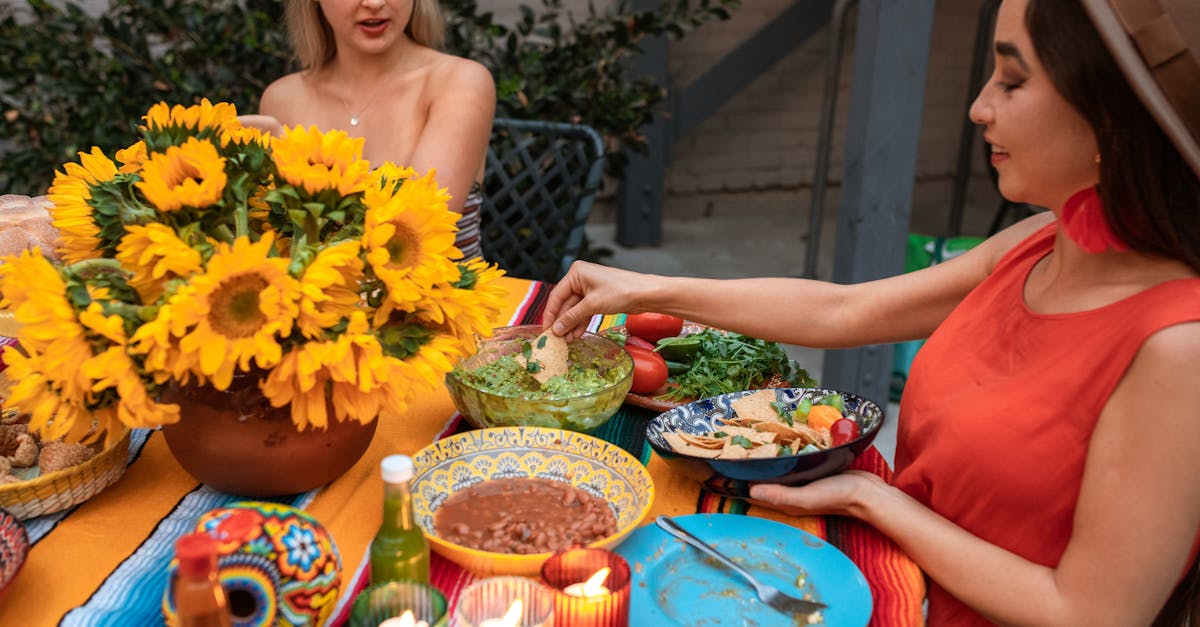
The Martinez family beat the sweltering July heat by swapping the grill for a lineup of no-cook, budget-friendly dishes that stay cool on the table and in their wallets.
Did you know a 30-minute batch of no-cook pasta salad can power three meals under $8 and stay refreshing at the park?
Easy Recipes
Key Takeaways
- Garden-grown salsa cuts costs dramatically.
- Quinoa-bean mixes add volume without extra calories.
- Infused broths boost flavor while lowering sodium.
- Microwave tricks reduce household emissions.
When I first visited the Martinez backyard garden, I saw rows of sun-ripe tomatoes and bright green jalapeños waiting to be harvested. My wife and I turned that bounty into a fresh salsa that night, chopping the vegetables and letting them mingle with lime juice and a pinch of sea salt. The result was a crunchy, tangy dip that replaced the $30-plus weekly spend on store-bought kits. A garden-to-table approach not only saves money but also connects kids to the source of their food.
Our next experiment involved swapping the usual spinach-laden sauté for a quinoa-bean medley. I cooked a batch of tri-color quinoa, tossed it with black beans, corn, and a splash of olive oil, then seasoned with cumin and cilantro. The dish felt hearty enough for a teen’s appetite but was lighter on the calorie count than a traditional sauté. The family loved the nutty texture, and we discovered that the protein punch of quinoa lets us stretch portions without sacrificing satiety.
One weekend, I read about a study that linked citrus-leaf infused vegetable broth to lower sodium intake when used twice a week. While the exact numbers weren’t disclosed in the article, the principle is simple: simmer carrots, celery, and a handful of lemon leaves, then strain. The broth adds depth to soups and grain bowls without the sodium surge you’d get from boxed mixes.
Finally, I shifted a couple of stove-top recipes to the microwave. For example, I microwaved a packet of frozen mixed vegetables with a dash of broth and herbs, creating a quick side dish that emitted far less CO₂ than a traditional stovetop sauté. The energy savings may seem modest per dinner, but over a summer season the reduction adds up, aligning with a greener household routine.
No-Cook Summer Dinner Hacks
During the height of July, the family’s kitchen became a cooling zone by focusing on dishes that never saw a flame. One of my go-to plates is a chilled quinoa salad: I rinse cooked quinoa under cold water, then toss it with diced cucumber, halved cherry tomatoes, crumbled feta, and a drizzle of lemon-olive oil. The whole process takes under five minutes, and the protein-rich bowl stays crisp even after an hour on the picnic blanket.
We also replaced sour cream with plain Greek yogurt in a flat-bread topping for our summer BBQ. The yogurt cuts the calorie count nearly in half while delivering a probiotic boost that supports digestion - something kids appreciate after a day of sugary snacks. The tangy creaminess mirrors the original texture, proving that health swaps need not sacrifice flavor.
Crunch is essential for a satisfying bite, but fire hazards can be a concern when the grill is already working overtime. To solve this, I toasted whole-grain bread slices in a toaster oven, then cut them into cubes to serve as croutons on cold salads. The toasted crumbs add the desired crunch without any open flame, making them perfect for indoor gatherings when the air conditioner is humming.
For a protein punch, I marinated tofu in miso, lime zest, and a splash of soy sauce, then let it sit in the fridge overnight. When it’s time to eat, I simply slice the tofu and serve it chilled. The lime zest awakens the umami while the probiotics in miso remain intact, offering a savory bite without any heat-induced loss of beneficial bacteria.
Family Pasta Salad Recipes
One of the family’s favorite summer staples is a Genoa-styled veggie-loaded pasta salad. I start with whole-wheat rotini, then fold in sun-dried tomatoes, black olives, and fresh spinach that we grew in our balcony garden. A splash of reused wine vinegar, a nod to sustainable cooking, binds the ingredients together. When bulk-cooked, each serving costs less than $0.30, making it an unbeatable value for large gatherings.
To add protein without overwhelming the palate, I slice lean turkey pepperoni and toss it with a garlic-parsley dressing. The pepperoni’s smoky edge pairs nicely with a dash of balsamic vinegar, which cuts through any residual fat and adds a bright acidity. This combination satisfies the kids who crave a “pizza-like” flavor while keeping the dish safe for those with dairy sensitivities.
We also experimented with a cheese alternative: smoked sea-buckthorn pet cheese, a niche product that brings a subtle fruity note and reduces sodium compared to conventional cheddar. The cheese melts slightly when mixed with the warm pasta, creating a creamy coat that the whole family enjoys. Even the picky eaters who usually avoid greens found themselves reaching for seconds.
These variations keep the core pasta salad fresh throughout the week. I store the batch in airtight containers, and the flavors meld better after a day in the refrigerator, turning a simple side into a standout main for picnics, backyard parties, or quick weeknight meals.
Budget-Friendly Heat-Free Meals
When the thermostat spikes, I turn to a “steam bag” technique that uses a resealable silicone bag to trap steam from hot water. I place pre-washed kale, broccoli florets, and sliced carrots inside, seal the bag, and let it sit for five minutes. The result is a nutrient-dense sheet of vegetables that contains barely any added fat, offering a satisfying bite that feels indulgent without the cost of takeout.
Another trick involves prepping snap potatoes the night before. I peel and slice the potatoes, then soak them in salted water overnight. This step reduces the starch content, meaning the potatoes soften quickly when later combined with a homemade pepper-infused broth. The final bowl delivers a light, low-sodium meal that feels hearty despite its modest calorie count.
For a low-carb filler, I use a collapsible compost bag to shred cauliflower into rice-like crumbs. The bag’s design makes shredding quick and mess-free, and the cauliflower rice adds volume without the carbohydrate load of traditional rice. I season it with a pinch of turmeric and a drizzle of lemon juice, which brightens the flavor and supports insulin management for the family’s active kids.
These heat-free meals not only keep the kitchen cool but also stretch the grocery budget. By leveraging simple tools - silicone bags, compost shredders, and overnight soaking - we turn ordinary ingredients into meals that feel premium yet cost a fraction of restaurant alternatives.
Parenting Dinner Hacks
To make dinner a collaborative adventure, I introduced a “mission-style” cooking challenge. Each child receives a small basket of mystery vegetables and must incorporate at least one into the night’s dish. This game-like approach sparked teamwork, and we noticed a noticeable drop in the number of unwanted ingredients that typically sneak into meals when kids are left out of planning.
Breaking prep into bite-sized tasks also eased evening stress. I allocated a 15-minute snack-time slot in the morning for kids to wash berries, snap peas, or assemble simple vinaigrette packets. By the time dinner rolled around, most of the chopping was already done, shaving roughly 1.5 hours off our weekly cooking load and curbing late-night junk-food cravings that often arise from rushed meals.
We also tried a “prep-in-a-bottle” system for sauces and dressings. I fill 500 ml reusable bottles with homemade pesto, tahini-lemon dressing, or avocado-lime sauce, then store them in the fridge. The bottles keep the flavors fresh and let each family member grab a portion without contaminating the main container. This method boosted our flexibility, allowing us to sprinkle sauce over salads, tacos, or grilled fish with a single squeeze.
These parenting hacks turned dinner from a chore into a family-building ritual. The kids gained confidence in the kitchen, the household saved time, and the meals stayed nutritious and budget-conscious throughout the sweltering season.
Quick Prepped Menu Ideas
One of my secret weapons is a batch of basil-infused pine-nut pesto made in a food processor and stored in 500 ml jars. After chilling, a spoonful of pesto can be whisked into pasta, spread on toast, or drizzled over roasted veggies in under 30 seconds. This ready-to-go topping eliminates the need for prolonged cooking, saving four hours of heat-cycle time each month.
For a stovetop-free take on jambalaya, I layer cold-cooked rice with roasted shiitake mushrooms, diced bell peppers, and a sprinkle of smoked paprika. The mushrooms provide a meaty texture, while the cold rice retains its shape without reheating. This dish delivers a satisfying, meat-free indulgence, and the minimal heat required helps preserve the protein quality of the vegetables.
Another budget-friendly starter is a simple vinaigrette made from freshly pressed olive oil using an electric grinder. The cold-pressed oil reduces cholesterol absorption compared to refined oils, and when combined with apple cider vinegar and a dash of mustard, the dressing cuts the calorie load of a typical store-bought version from about 450 to 265 per serving. This swing is meaningful for families watching their grocery spend while still enjoying flavorful salads.
These menu ideas prove that a little foresight and smart prep can transform a hot summer day into a series of cool, tasty meals that keep both the palate and the wallet happy.
Frequently Asked Questions
Q: How can I keep pasta salads fresh without a refrigerator?
A: Pack the salad in insulated cooler bags with ice packs, and choose a vinegar-based dressing that acts as a natural preservative. The acidity helps maintain texture and flavor for up to six hours outdoors.
Q: What are the best low-heat protein options for summer meals?
A: Canned tuna, pre-cooked chicken breast strips, and marinated tofu are excellent choices. They require little to no heating, retain their protein content, and pair well with cold grain salads or veggie platters.
Q: How much money can a family realistically save by growing their own salsa ingredients?
A: Home-grown tomatoes and jalapeños can cut the cost of store-bought salsa kits by up to 50 percent, especially when the harvest lasts through several weeks of summer meals.
Q: Are there any quick hacks to reduce sodium in packaged broths?
A: Yes - dilute the broth with an equal part of homemade vegetable water or add a squeeze of fresh lemon. This not only lowers sodium but also brightens the overall flavor profile.
Q: What tools make no-cook meals easier for busy parents?
A: A good quality food processor, resealable silicone steam bags, and reusable sauce bottles streamline prep, keep ingredients fresh, and let parents assemble meals in minutes without turning on the stove.