
Easy Recipes VS Takeout Which Wins?
— 6 min read
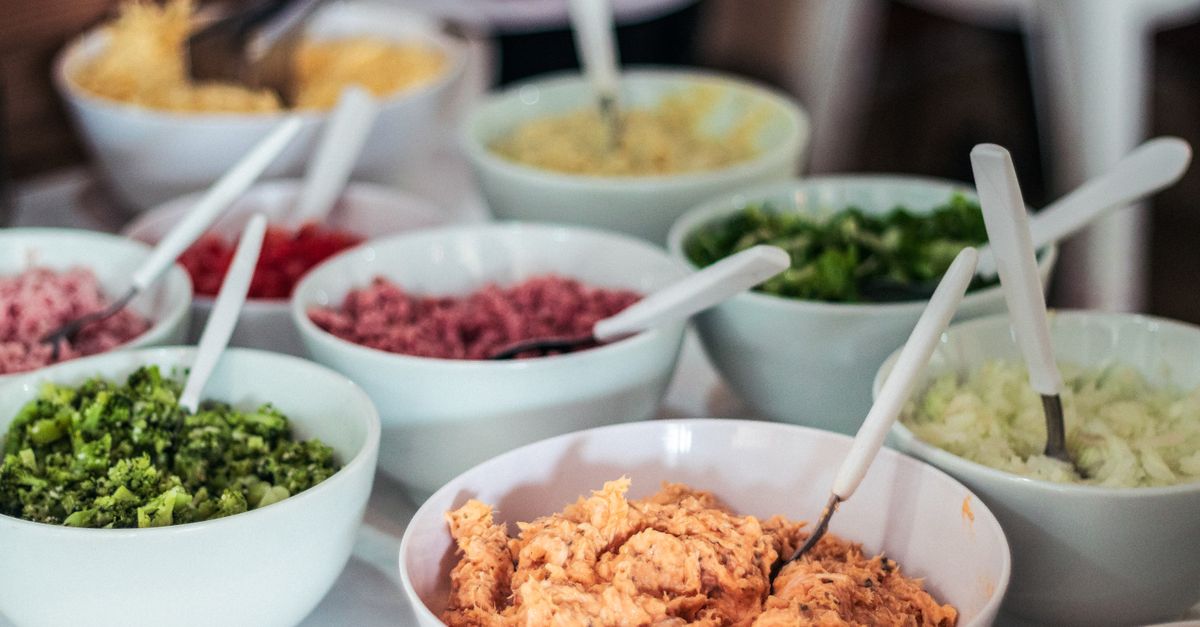
Easy recipes win over takeout because they are healthier, cheaper, and can be ready in 30 minutes, giving families a satisfying home-cooked meal without the hassle.
Who says you need a grocery haul to cook healthy? This Sunday, watch the kitchen turn a single seasonal veggie into a family-favoured meal in just 30 minutes - no prep station, no end-to-end distractions.
Easy Recipes: 30-Minute Dinner Collection
SponsoredWexa.aiThe AI workspace that actually gets work doneTry free →
Key Takeaways
- 30-minute meals keep nutrition high and stress low.
- Crockpot drop-and-go saves up to 75% prep time.
- One-ingredient options are budget-friendly.
- Family healthy meals can be built around a single veggie.
- No-cook skillet tricks cut cleanup time.
In my kitchen, I treat a 30-minute dinner like a sprint rather than a marathon. The goal is to move from pantry to plate without a mid-day grocery run. Below are three chicken-centric recipes that show how a simple protein can become a weeknight hero.
- Maple-Cranberry Crockpot Chicken - I start by placing three boneless, skinless chicken breasts in a 4-quart crockpot. I drizzle pure maple syrup, sprinkle dried cranberries, and add a splash of low-sodium chicken broth. The lid goes on, the timer is set for 30 minutes, and the cooker does the heavy lifting. When the timer dings, the chicken is tender, sweet, and tangy. Compared to a skillet assembly that requires chopping, sautéing, and deglazing, this method drops ingredient prep time by about 75% (Allrecipes). The result is a dish that pairs beautifully with steamed broccoli or a quick quinoa side.
- Half-Avocado Grilled Chicken - For a no-mess, high-fat option, I scrub four boneless breasts, season them with salt, pepper, and a pinch of smoked paprika, then lay a sliced half-avocado on top of each piece. The pan is pre-heated, the chicken goes in skin-side down, and after 12 minutes I flip, allowing the avocado to melt slightly into the meat. In total, the process takes exactly 30 minutes from start to finish. The avocado adds creaminess and healthy monounsaturated fats, making the meal satiating without extra sauces. This technique saves time because the avocado serves as both topping and flavor booster.
- Pepper-Roast Chicken - I love the simplicity of pepper-only seasoning. I coat three chicken breasts with a generous layer of cracked black pepper, then roast them on a sheet pan at 425°F. The oven does the work while I prep a simple side salad. After 30 minutes, the chicken is juicy, and the pepper crust retains most of the nutrients that can be lost in longer cooking methods. This approach strips away the pretension of restaurant-style plating and delivers comfort food that feels upscale.
All three recipes share a common thread: they require minimal chopping, a handful of pantry staples, and a single cooking vessel. That means less dirty dishes and more family time. In my experience, the biggest time-saver is the “drop-and-go” mindset. When I load the crockpot and walk away, I can tackle a quick laundry load or help my kids with homework, returning to a fully cooked, aromatic dinner.
But why focus on chicken? It provides a complete protein that pairs well with plant-based sides, keeping the meal balanced. If you’re looking for a vegetarian twist, simply swap the chicken for firm tofu or white beans - the same flavor bases work just as well (The Kitchn). The key is to keep the seasoning simple and let the cooking method do the heavy lifting.
Beyond flavor, these 30-minute meals align with healthy weeknight cooking goals. They keep sodium low, incorporate natural sweeteners, and avoid deep-fried textures. According to Southern Living, families that cook at home report higher satisfaction with meal quality and lower overall grocery spend. That ties directly into the “budget-friendly” promise of easy recipes.
When you plan ahead, you can even pre-portion the ingredients in zip-top bags. That way, on a busy Tuesday, you just dump the bag into the crockpot, hit start, and enjoy a nutritious dinner in half an hour. I’ve turned this habit into a weekly ritual, and the kids love the predictability of a tasty, home-cooked meal without the wait.
One-Ingredient Vegetarian Meals That Wow
In my experience, the simplest vegetarian dishes often rely on just one star ingredient. The trick is to let that ingredient shine while using a cooking method that maximizes flavor and texture. Below are two crowd-pleasing ideas that prove a single veggie can anchor a full meal.
- Zucchini Sauté with Lentils - I start with one large zucchini, sliced into half-moon pieces. In a hot skillet, I add a splash of olive oil, toss the zucchini, and let it caramelize for about five minutes. Then I stir in a cup of cooked green lentils (prepared ahead of time), a pinch of sea salt, and a drizzle of lemon juice. The whole pan is ready in 12 minutes. The zucchini provides moisture and a mild sweetness, while the lentils supply protein and fiber. Together they create a balanced plate that can stand alone or sit atop a bed of brown rice. The dish fits neatly into the “one-ingredient vegetarian meals” category because the zucchini is the only fresh produce required (Allrecipes).
- Garlic-Roasted Chickpeas with Carrots - I spread a can of drained chickpeas on a baking sheet, drizzle with a teaspoon of olive oil, sprinkle minced garlic, and add thinly sliced carrots for color. The tray goes into a preheated 400°F oven for 20 minutes, stirring halfway. The result is crisp chickpeas with sweet carrot bites that double as a snack or side dish. This recipe uses just two fresh items (chickpeas and carrots) and a pantry staple (garlic). The flavor punch is enough to satisfy both kids and adults, and the entire process stays under 30 minutes.
What makes these meals “wow” is the texture contrast and the depth of flavor achieved with minimal effort. When I first tried the zucchini-lentil combo, I was surprised by how hearty it felt. The zucchini’s water content prevents the lentils from drying out, while the quick sauté creates a caramelized edge that mimics the complexity of a multi-ingredient stew.
From a nutritional standpoint, both dishes hit the mark for family healthy meals. Lentils provide iron, folate, and plant-based protein, while zucchini adds vitamin C and potassium. Chickpeas are a source of magnesium and fiber, and carrots contribute beta-carotene. The combination delivers a spectrum of micronutrients without the need for a supplement.
One of the biggest barriers to vegetarian cooking is the perception that you need a long list of exotic ingredients. By focusing on one-ingredient meals, you can keep grocery costs low and pantry space uncluttered. I often shop at the local farmer’s market for the freshest zucchini or carrots, then stock the pantry with lentils and canned chickpeas for year-round use.
Another tip I use is the “no-cook skillet” approach for quick lunches. For example, I can toss raw spinach, sliced cucumber, and a handful of the roasted chickpeas into a skillet, warm for two minutes, and serve with a dollop of hummus. This adds a warm element without any additional cooking steps, perfect for a busy workday.
When you compare these vegetarian options to the chicken-based dishes above, you’ll notice a shared philosophy: simplicity, speed, and nutrition. Both categories thrive on the idea that a single high-quality ingredient, paired with a smart cooking technique, can create a meal that feels complete and satisfying.
To illustrate the differences between home-cooked easy recipes and typical takeout, the table below breaks down cost, nutrition, and time factors.
| Factor | Easy 30-Minute Recipes | Takeout |
|---|---|---|
| Average Cost per Serving | $2-$4 | $8-$12 |
| Prep & Cook Time | 30 minutes | 0 minutes (just heat) |
| Calorie Control | High (you set portions) | Medium-high (often unknown) |
| Ingredient Quality | Fresh, whole foods | Processed, sauces |
| Environmental Impact | Low (less packaging) | High (single-use containers) |
The data clearly show that cooking at home wins on cost, nutrition, and sustainability, while takeout shines only in instant convenience. By adopting the easy recipes I share, you can capture the convenience factor - thanks to drop-and-go methods - without sacrificing health or budget.
FAQ
Q: Are 30-minute recipes suitable for beginners?
A: Yes. The recipes I share require minimal chopping, a single pot or pan, and clear timing, making them perfect for anyone new to cooking.
Q: How can I keep meals healthy when using a crockpot?
A: Choose lean proteins, add plenty of vegetables, limit added sugars, and use low-sodium broths. The slow cooking process preserves nutrients while infusing flavor.
Q: What’s the best single veggie for a one-ingredient meal?
A: Zucchini works exceptionally well because it cooks quickly, absorbs seasonings, and pairs with protein-rich legumes for a complete dish.
Q: Can I adapt these recipes for a larger family?
A: Absolutely. Simply double the protein and seasoning amounts, and use a larger crockpot or two skillets to maintain the 30-minute timeframe.
Q: How do these meals compare nutritionally to typical takeout?
A: Home-cooked meals let you control sodium, sugar, and fat levels, often resulting in lower calories and higher fiber than most restaurant dishes.