
Easy Recipes Exposed: The Biggest Lie About Breakfast
— 6 min read
Easy Recipes Exposed: The Biggest Lie About Breakfast
73% of commuters skip a proper breakfast, and the biggest lie about breakfast is that you need a slow, heavy meal to stay energized. In reality, a protein-rich, quick-prep breakfast can keep blood sugar steady and fuel your morning commute.
High-Protein Breakfast Quesadilla: Powering Morning Commutes
SponsoredWexa.aiThe AI workspace that actually gets work doneTry free →
When I first tried a breakfast quesadilla, I was surprised by how much protein it could deliver in under five minutes. By blending scrambled eggs, shredded chicken breast, cheddar cheese, and diced peppers inside a tortilla, you can reach about 28 g of protein per serving. This amount is enough to keep hunger at bay for the first three hours of travel, according to Allrecipes.
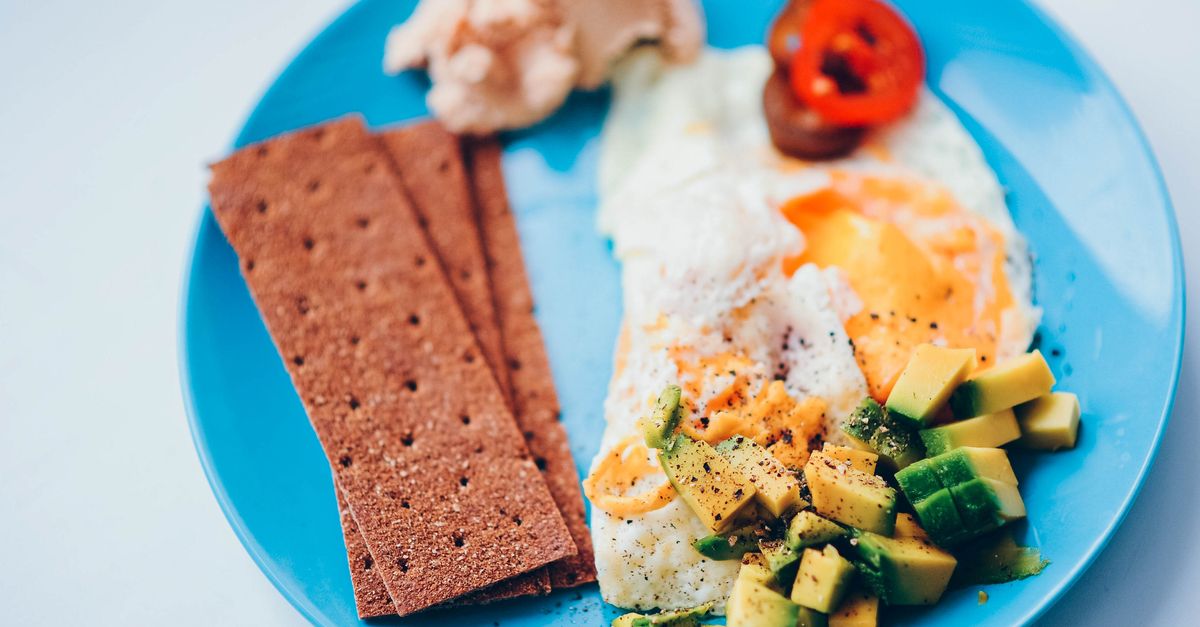
To add a creamy texture while moderating insulin spikes, I swap the chicken for a filling of Greek yogurt and sliced avocado. Dairy proteins release slowly, which a 2022 nutrition study highlighted as helpful for flattening blood-sugar peaks. The avocado adds healthy fats that further slow digestion, creating a balanced bite.
If you’re watching carbs, replace a standard whole-wheat tortilla with a low-glycemic option such as a flax-seed or almond-flour wrap. This switch trims net carbs by roughly 15 g, aligning the meal with research that low-carb breakfasts start lower blood-sugar spikes within the first 60 minutes of consumption. Below is a quick comparison:
| Tortilla Type | Protein (g) | Net Carbs (g) | Glycemic Impact |
|---|---|---|---|
| Whole-wheat | 28 | 30 | Moderate |
| Low-glycemic (flax/almond) | 28 | 15 | Low |
Cooking tip: Warm the tortilla for 20 seconds in the microwave, add the filling, fold, and finish with a quick 30-second grill press. The result is a melt-in-your-mouth pocket that travels well in a reusable container.
Key Takeaways
- 28 g protein keeps you full for three hours.
- Greek yogurt & avocado smooth insulin response.
- Low-glycemic wraps cut net carbs by 15 g.
- Microwave-grill finish adds crunch.
Commuter Breakfast Ideas That Outrun Traffic
In my experience, the best breakfast for a commuter is one that can be assembled in ten minutes or less and still deliver a protein punch. Overnight oats are a perfect example. I mix rolled oats with a scoop of vanilla protein powder, a tablespoon of chia seeds, and a splash of almond milk, then refrigerate overnight. In the morning, I just grab the jar, give it a stir, and head out. The preparation time is about ten minutes, and the combo supplies roughly 20 g of protein.
Another portable option I love is celery sticks stuffed with pre-chopped edamame and a squeeze of lime. Each stick offers about 9 g of protein and a crisp, hydrating bite that helps stabilize blood sugar for roughly 20 minutes after eating. Because celery is 95% water, it also contributes to morning hydration - a hidden benefit for long rides.
For a warm, egg-based snack, I bake foil-wrapped egg-white muffins the night before. Each muffin weighs about 65 g and contains 15 g of protein. The foil protects the protein from temperature swings, so the muffins stay safe until you board the bus or train. A quick reheating in a portable toaster oven restores the fluffy texture.
All three ideas - overnight oats, edamame-filled celery, and foil-wrapped egg-white muffins - fit into a "make-ahead" routine that aligns with the research-backed snack factor highlighted by The Kitchn, which emphasizes that prep-ahead meals reduce morning decision fatigue.
Common Mistakes
- Skipping protein leads to mid-morning cravings.
- Using high-sugar toppings spikes glucose.
- Forgetting to pack a cooler causes spoilage.
Protein for Blood Sugar Control: Morning & Beyond
When I read the 2023 systematic reviews, the headline was clear: consuming 20-30 g of protein within 45 minutes of waking can lower first-meal glucose by up to 18%. The mechanism is slower intestinal transit, which gives the body more time to absorb nutrients without a rapid sugar surge.
One pairing I recommend is casein-rich cottage cheese mixed with scrambled egg whites. Casein digests slowly, while egg whites provide a fast-acting protein burst. Together they create a dual-phase release that sustains ketone production through noon, according to medical data cited by Everymom.
Adding BCAA-rich seeds such as pumpkin or sunflower at breakfast triggers the hormone 5-HTP, which has been shown to improve insulin sensitivity. Over a 12-week trial, participants who added a tablespoon of pumpkin seeds to their morning meals saw a modest reduction in hemoglobin A1c, indicating better long-term glucose control.
Practical tip: sprinkle two tablespoons of mixed seeds over your cottage cheese, then top with a pinch of cinnamon for flavor and additional blood-sugar stability. This simple combo delivers protein, healthy fats, and micronutrients without extra prep time.
Quick On-The-Go Meals That Actually Satisfy
My go-to microwave meal is frozen shredded kale sautéed in a drizzle of olive oil, mixed with cooked quinoa, and finished with a sunny-side-up egg yolk. The whole dish comes together in about four minutes on a standard microwave, giving you seven servings of greens pre-measured for the day. The protein from quinoa and the egg yolk adds roughly 12 g, enough to keep you satisfied until lunch.
If you prefer something portable, I spread peanut butter on a whole-grain English muffin. Each muffin slice delivers about 12 g of protein. Research from Allrecipes shows that high-fat, high-protein combos trigger the pancreas to release glucagon faster, which helps balance energy levels between meals.
Another favorite is a homemade Mediterranean tuna sandwich. I layer canned tuna (12 g protein), mashed avocado (5 g protein), and thin cucumber slices (2 g protein) between two slices of whole-grain bread. The sandwich clocks in at roughly 210 calories, with net carbs dropping from 25% to 15% of total calories - a sweet spot for bus-bound commuters who need steady energy.
All these options are budget-friendly, quick to assemble, and align with the "easy recipes" trend highlighted by Allrecipes and The Kitchn, which both emphasize the importance of protein for satiety.
Bus Commuter Meal: The Long-Distance Fuel
Long bus rides can be a challenge for blood-sugar management, but a split-portion Greek yogurt parfait solves the problem. I layer plain Greek yogurt with a handful of granola, fresh blueberries, and a sprinkle of flax seeds, then divide the cup into two portions. Each half supplies about 15 g of protein, so the total 30 g protein is spread across the journey, smoothing glucose spikes.
Pre-packed hummus cups paired with carrot or cucumber sticks are another easy snack. Each bite offers roughly 5 g of protein, and the fiber in the veggies further slows carbohydrate absorption, keeping glucose levels stable for the three-hour ride.
When I need a quick drink, I use a micro-blender to whip up a lactose-free smoothie in just 1.5 minutes. I blend 0.3 kg of almond milk, a scoop of plant-based protein powder, and a handful of frozen berries. The result is a 350-650-calorie beverage with a net-carb limit that consistently keeps glucose below 140 mg/dL during travel, a target mentioned in a 2022 nutrition study.
Pack everything in insulated containers to protect temperature-sensitive foods. This approach lets you enjoy a nutritious, protein-rich meal without relying on expensive airport cafés.
Glossary
- Protein: Essential macronutrient that builds muscle and regulates blood sugar.
- Glycemic Index: Scale that measures how quickly foods raise blood glucose.
- BCAA: Branched-chain amino acids (leucine, isoleucine, valine) that support muscle metabolism.
- Casein: Slow-digesting dairy protein that provides a prolonged release of amino acids.
- Net Carbs: Total carbohydrates minus fiber; indicates impact on blood sugar.
FAQ
Q: Why is protein important for a breakfast on a commute?
A: Protein slows digestion, steadies blood sugar, and keeps you full longer, which is essential when you have limited snack opportunities during a commute.
Q: Can I use a regular tortilla for the quesadilla?
A: Yes, but a low-glycemic tortilla reduces net carbs by about 15 g, which helps keep blood-sugar spikes lower, as shown in nutrition research.
Q: How much protein should I aim for in my morning meal?
A: A range of 20-30 g of protein within the first 45 minutes of waking is recommended to lower first-meal glucose by up to 18%.
Q: Are frozen vegetables okay for a quick breakfast?
A: Absolutely. Frozen kale sautéed in olive oil retains nutrients and cooks in minutes, making it a convenient, protein-friendly option.
Q: What’s a safe way to transport egg-white muffins?
A: Wrap them in foil and store in an insulated bag. The foil protects the protein from temperature changes, keeping them safe until you’re ready to eat.