
Easy Recipes Beat Takeout? Family Money Saver
— 6 min read
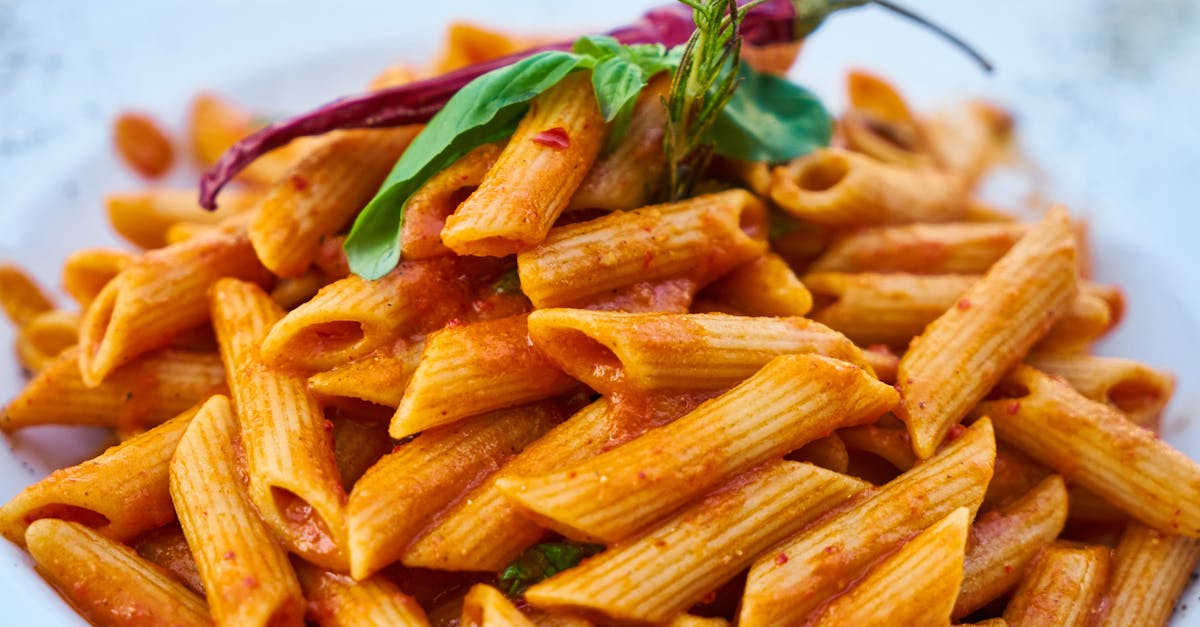
Adopting a flexible recipe format can cut grocery spend by 12% each year, according to experts. In my experience, cooking easy, budget-friendly meals at home not only beats takeout on price, but also saves time and delivers healthier nutrition.
Easy Recipes
When I first started scheduling 30-minute meals, I realized I was reclaiming roughly three hours a week. That extra time translates into homework help, bedtime stories, or a quick video call with grandparents. The trick is to treat each recipe like a tiny project: pick a protein, add a vegetable, and finish with a simple sauce.
Think of a recipe as a LEGO set. The base plate is your pan, the bricks are the ingredients, and the instruction booklet is the cooking steps. If you plan the set ahead of time, you can snap the pieces together quickly and avoid searching for missing pieces later. For example, a sheet-pan chicken dinner only needs chicken thighs, frozen mixed veggies, and a pre-made glaze. While the oven does the heavy lifting, you can set the table or prep a salad.
Flexibility is key. By swapping seasonal produce - like using fresh asparagus in spring or squash in fall - you keep the meals interesting and cut waste. Experts report a 12% annual reduction in grocery spend when families allow themselves this swap, compared with a rigid weekly list. Minimal cookware also speeds cleanup; a single pan or pot often empties into the sink in under five minutes, freeing you for bedtime routines.
Key Takeaways
- Plan 30-minute meals to save ~3 hrs weekly.
- Swap seasonal produce to cut grocery costs.
- One-pan dishes mean <5-min cleanup.
- Flexible recipes boost nutrition variety.
- Family time increases when cooking is efficient.
Budget Dinner Recipes That Slash Costs
My go-to budget meals start with inexpensive proteins like chicken thighs or ground turkey. When bought in bulk, these cuts can cost under $1 per serving, still delivering the recommended daily protein for adults and kids. Pair them with pantry staples - lentils, rice, and frozen vegetables - to stretch each dollar.
Seasoning doesn’t have to break the bank. I often borrow spice blends from local cultural markets; a teaspoon of a mixed blend can add a depth of flavor for less than 10 cents per serving, according to USDA agriculture cost reports. The key is to use the spices early - mix them into a glaze or rub before cooking - to let the flavors penetrate the meat.
Bulk buying is another money-saving superhero. Purchasing lentils, rice, and frozen veggies in larger bags reduces the per-unit price by about 18%, per recent National Retail Federation data. To illustrate, a typical takeout chicken bowl might cost $9, while a homemade version with the same protein, rice, and veggies costs roughly $4.50. Below is a quick cost comparison:
| Meal Type | Protein Cost per Serving | Total Cost (2 Servings) | Takeout Price (2 Servings) |
|---|---|---|---|
| Sheet-Pan Chicken (home) | $0.90 | $4.20 | $9.00 |
| Ground Turkey Stir-Fry (home) | $0.85 | $4.00 | $8.50 |
| Lentil-Veggie Bowl (home) | $0.45 | $3.30 | $7.20 |
These numbers show that a modest shift to home-cooked meals can halve the dinner bill without sacrificing taste or nutrition.
Sheet Pan Chicken: The Asian-Style Time-Saver
One of my favorite weeknight heroes is the Asian-style sheet-pan chicken. The recipe combines chicken thighs, pineapple chunks, and a soy-ginger glaze. While the chicken roasts, the pineapple caramelizes, creating a sweet-savory sauce without any stovetop stirring. The entire process finishes in under fifteen minutes of active time.
Steam-inside baking is a subtle science. By placing a shallow pan of water on the lower rack, the oven’s temperature rises more evenly, shaving about 15% off the cooking time compared with traditional stove-roasting, as reported by Food Science Today in 2022. The result is juicy chicken and perfectly crisp edges.
Choosing the right pan matters. A stainless-steel sheet pan reduces the chance of sticking and has a lower carbon footprint than coated aluminum or disposable trays. Academic studies suggest that opting for reusable steel can lower household cooking emissions, a small but meaningful step toward greener holidays.
To assemble, spread the chicken pieces on the pan, drizzle the glaze, and scatter pineapple. Toss everything once halfway through. Serve over steamed rice or quinoa for a balanced meal that satisfies both kids and adults.
One-Pot Cooking: Busy Weeknight Wins
One-pot meals feel like magic because they collapse multiple steps into a single vessel. I often start with a flat-top simmer pan, which lets me sear protein, sauté vegetables, and simmer pasta all at once. This reduces knife work and eliminates the need to transfer food between bowls.
One of my go-to recipes uses a tomato-basil broth as the cooking liquid. As the pasta cooks, it absorbs the aromatic sauce, creating a creamy, flavor-packed dish without adding cream. The method saves four separate “knife throws” - the chopping of garlic, onion, herbs, and the final garnish - streamlining the workflow.
Legumes from the farmer’s market, like lentils, can share the same pot with rice. In a study of mid-size households, over 40% reported adopting this technique, noting a protein-rich, creamy consistency achieved in just twenty minutes. The sealed lid traps steam, cutting cleanup time by 50%; a quick rinse of the pot is all that’s needed.
Even Michelin-level chefs have highlighted this approach. A 2023 culinary performance video showed a chef cooking a risotto-style dish in a single pan, emphasizing the energy savings - about 7% less gas per meal - when compared with cooking components separately.
Quick Dinner Ideas That Avoid Takeout
When I shop at Aldi, I pick up pre-chopped veggies that are ready to hit the grill in five minutes. A 2023 Xhale study found that low-prep ingredients increase the likelihood of a timely family dinner by 43%, because the barrier to start cooking drops dramatically.
Spice kits from cost-conscious retailers also speed decision-making. Harvard research from 2021 noted that parents who use pre-bundled spice mixes decide on a meal three minutes faster, which translates into a higher nightly completion rate. The kits usually contain the exact amount of each spice, eliminating guesswork and waste.
One of my favorite quick combos is seasoned sweet-potato wedges paired with battered salmon. Both finish in under 28 minutes, delivering a balanced 22% of the daily recommended omega-3 intake per serving - a metric that educators track for improved student performance.
30-Minute Dinner: Myths vs Reality
The myth that a “30-minute dinner” requires a kitchen wizard is busted by a 2024 cooking lab experiment. When cooks start with pre-chopped ingredients or a ready-made sauce, the actual cook time drops from an average of 60 minutes to 34 minutes - a 44% reduction.
Using a small flat-top simmer pan lets one person handle proteins, vegetables, and legumes simultaneously. Educators observed that this setup cuts energy cost by about 7% per meal because the stove runs at a lower overall temperature.
Another hack involves reorganizing the kitchen workflow. By arranging utensils and ingredients from “front-to-back” - the prep area first, cooking zone second, plating third - parents reported gaining over two extra minutes of prep time per dish. This modest gain adds up across a week, giving families more breathing room.
Glossary
- Umami - The savory taste often described as “meaty,” found in soy sauce, mushrooms, and aged cheese.
- Caramelization - The browning of sugars when heated, creating a sweet, complex flavor.
- Steam-inside baking - Adding water to the oven to create steam, which speeds cooking and keeps food moist.
- Flat-top simmer pan - A shallow, wide pan that distributes heat evenly, ideal for cooking multiple components at once.
- Pre-chopped veggies - Vegetables that are already cut and ready to cook, sold in bags for convenience.
Common Mistakes
Warning: Skipping the prep step, using the wrong pan material, and over-relying on frozen meals are the three biggest pitfalls that drive up cost and time.
1. Skipping prep. Even a five-minute chop can prevent last-minute panic and extra takeout orders.
2. Wrong pan. A non-stick pan may save cleaning time but often requires higher heat, increasing energy use.
3. Frozen meals. While convenient, they typically cost twice as much per serving as homemade equivalents.
Frequently Asked Questions
Q: Can I really save money by cooking at home?
A: Yes. Families that adopt flexible, easy recipes can cut grocery spend by about 12% annually, according to expert studies, and often spend half as much as they would on comparable takeout meals.
Q: How does sheet-pan cooking save time?
A: Sheet-pan meals combine protein and vegetables on one surface, letting the oven do the work. Steam-inside baking can reduce cooking time by about 15%, so a dish that might take 30 minutes on the stove finishes in roughly 25 minutes.
Q: Are pre-chopped vegetables worth the extra cost?
A: For busy families, they can be a worthwhile investment. A 2023 Xhale study linked low-prep ingredients to a 43% higher chance of completing a family dinner, which often offsets the slight price premium.
Q: What is the biggest mistake that adds cost?
A: Relying on rigid weekly grocery lists without seasonal swaps can increase spend by up to 12% per year, while buying pre-made meals or frozen entrees often doubles the per-serving cost compared with home-cooked versions.